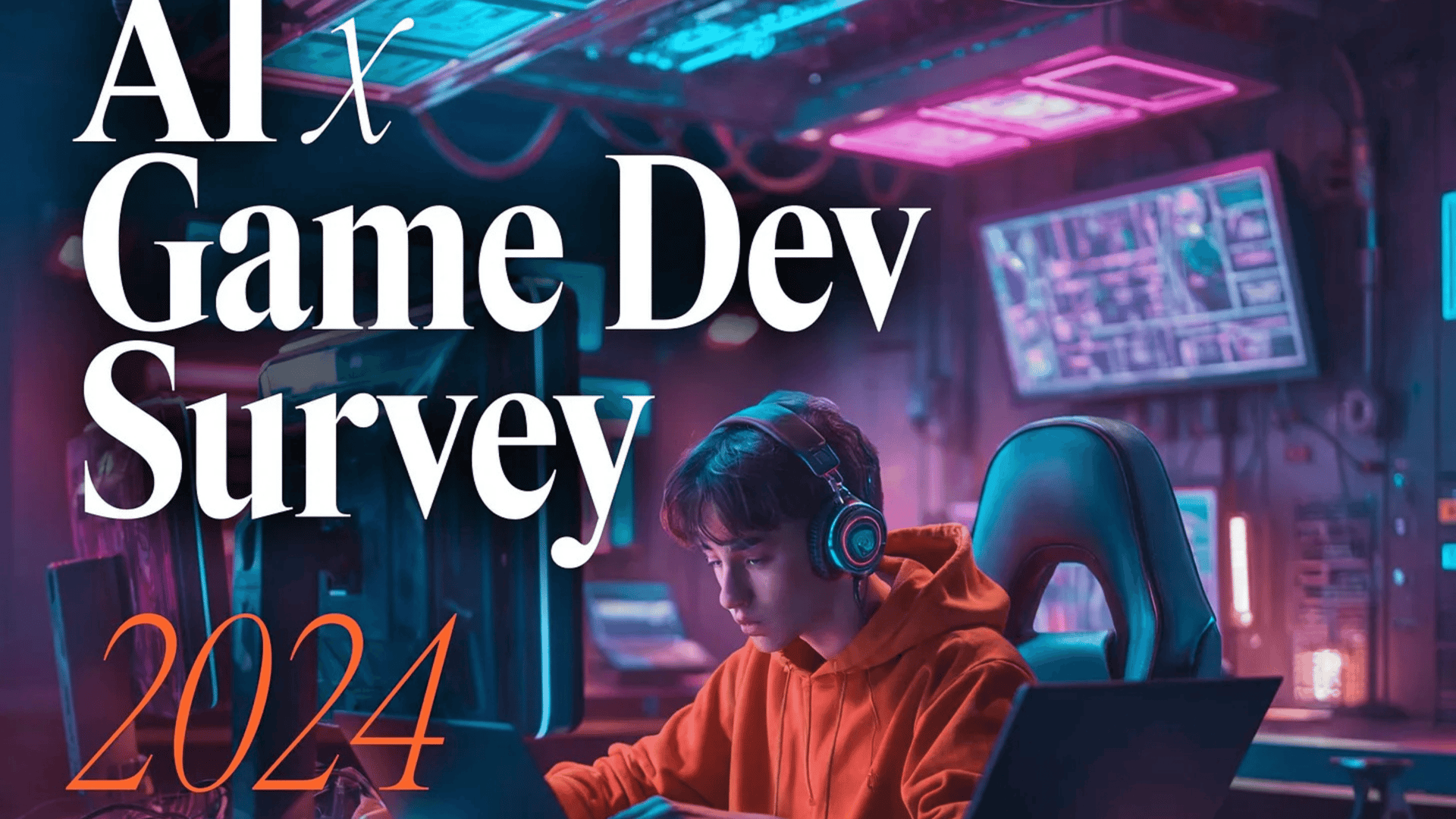


Artificial Intelligence has moved from experimental to essential in game development. A recent industry survey of 651 game studio employees reveals that 73% of studios now use AI in their workflows, and 88% plan to adopt it if they haven't already. The shift is most pronounced among smaller teams — 84% of respondents work at studios with fewer than 20 people, suggesting indie and mid-sized developers are driving adoption faster than anyone expected.

AI x Game Dev Survey
Pay less for your games.
Get discounts up to 80% off
Who's using AI and who's hesitating
Company founders are the most bullish on AI, with 85% already using it. Artists remain the most skeptical — only 58% have integrated AI tools into their work. That hesitation makes sense when you look at the job displacement numbers: 36% of artists believe AI threatens their roles, compared to 24% of designers and programmers. Founders, unsurprisingly, are the least worried, with just 15% concerned about being replaced. Overall, 67% of survey participants expressed interest in AI, but the enthusiasm varies wildly depending on what you do.

Key Findings from a16z Games Report
Productivity gains aren't universal
Most studios that adopted AI reported faster workflows and lower costs. But the results aren't consistent. 16% saw no productivity improvement at all, and 35% didn't cut costs. AI isn't a magic fix — it works well for some teams and does almost nothing for others.

Productivity and Costs
Job security fears are real
The layoff wave that hit the industry in 2024 has made developers more sensitive to automation threats. Artists are the most anxious, with over a third worried AI will replace them. Programmers and designers are less concerned, but the fear is still there. Founders, who control hiring and budgets, are the least worried about their own jobs — which doesn't exactly ease concerns for everyone else.

Interest and Feedback on AI's Impact
The biggest problem is quality
53% of respondents said the biggest obstacle to AI adoption is the quality and accuracy of AI models. Legal risks, integration headaches, and team discomfort are also issues, but they're secondary. Studios want AI that works reliably, especially for real-time applications like AI-controlled NPCs — 53% are actively exploring that use case. Right now, the tech isn't quite there.

Biggest Impediment Towards Usage
Studios are building their own models
54% of studios plan to develop custom AI models instead of relying on off-the-shelf tools. The reasons are practical: custom models reduce legal risk, improve consistency, and give teams more control over output. If you're building a game with a specific art style or narrative voice, generic AI tools don't cut it.
AI is still mostly a pre-production tool
Most AI use happens in early development — prototyping, concept art, narrative drafting, music generation, voice acting, and ad creatives. The biggest growth area is 3D asset generation: 70% of studios now use or plan to use AI for 3D assets, up from 48% last year. That's a massive jump, and it reflects how much faster AI can produce placeholder or even final assets compared to manual modeling.

Percentage of Studios Using AI
The tools everyone's using
Claude, Flux, ChatGPT, Cursor, Eleven Labs, GitHub Co-pilot, Meshy, Midjourney, Stable Diffusion, and Suno are the most popular AI tools among game developers right now. They cover everything from writing and coding to asset creation and audio generation. The variety shows how fragmented AI tooling still is — there's no single platform that does it all.
What this means for the industry
AI adoption in game development is accelerating, especially among smaller studios that can't afford large teams. The productivity gains are real for many, but so are the risks — job displacement concerns, inconsistent output quality, and legal uncertainty. The push toward custom models and real-time AI applications suggests studios are serious about making this work long-term. Whether AI becomes a tool that empowers developers or one that replaces them will depend on how the next few years play out.