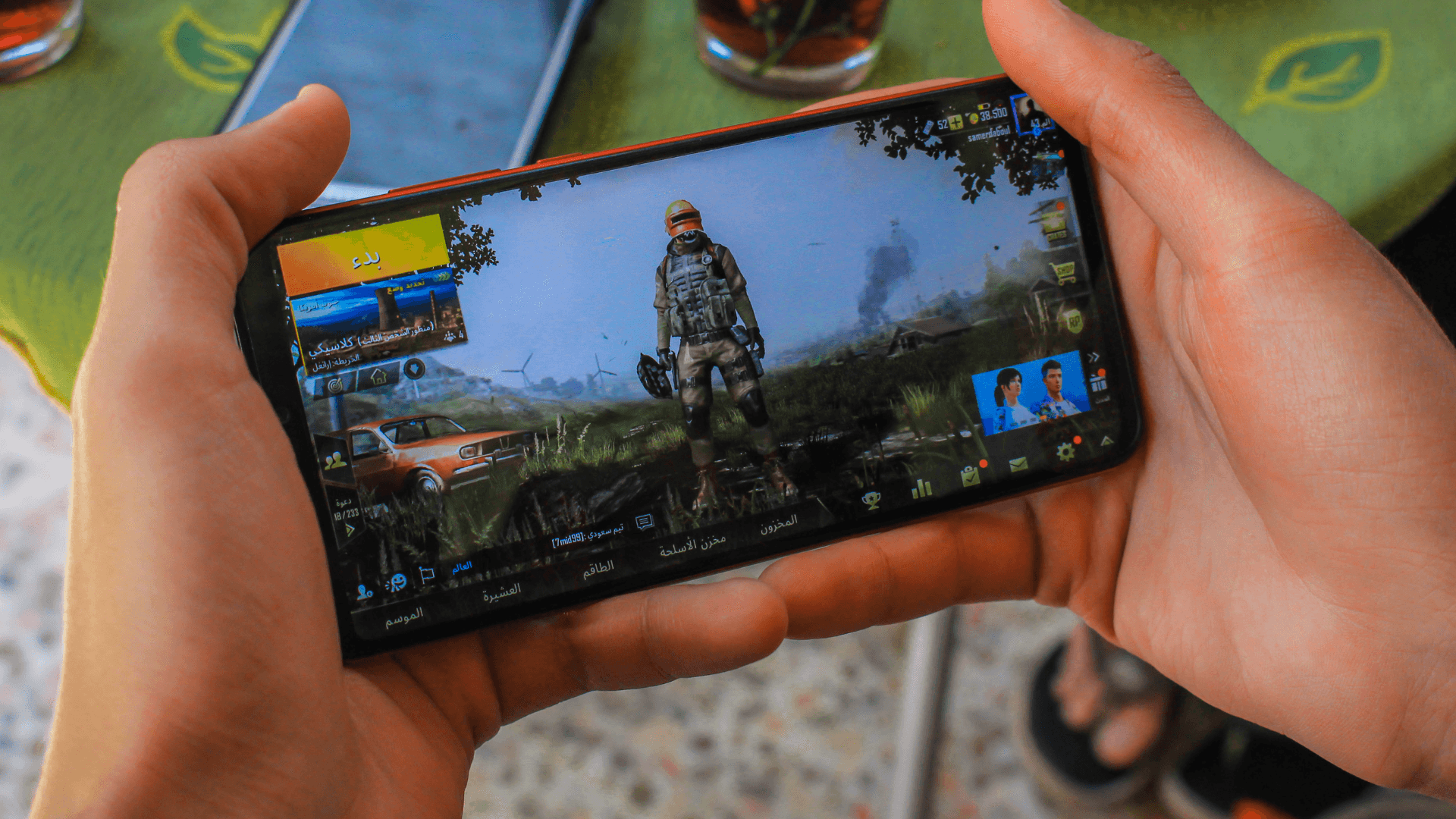
For developers planning global launches, knowing where mobile games succeed matters more than ever. Player expectations shift dramatically across regions — what works for progression systems in one market can fall flat in another, even within the same genre. By 2026, mobile games represent nearly half of the worldwide gaming market, pulling in roughly 49% of total revenue. Downloads have plateaued, but in-app spending and session length keep climbing. Players are committing harder to fewer games, which means user retention and quality now outweigh download volume as success metrics.
Pay less for your games.
Get discounts up to 80% off
Asia-Pacific leads in RPG and strategy dominance
Asia-Pacific still drives the bulk of global mobile game revenue, with role-playing games and strategy titles pulling the strongest numbers. South Korean and Japanese players stick with RPGs long-term and burn through new content fast, making live operations essential for keeping them engaged. Chinese developers face a saturated home market and tight regulatory oversight, so they're pushing harder into international territories — especially with strategy games that translate well across borders. Southeast Asia remains hooked on battle royale games, where players log extended sessions and lean into community tools. Games built around guilds, social hooks, and team-based features consistently outperform solo experiences in these regions.
Casual and mid-core games dominate North America
North America sees casual and puzzle games rack up both downloads and revenue reliably. Action games pull big audiences, but casual titles monetize more predictably. Mid-core games — particularly strategy — are gaining traction as a segment of players looks for something deeper than match-three but less demanding than hardcore RPGs. High average revenue per user and a large iOS install base make North America a lucrative target for well-executed acquisition. Creative fatigue has become a real problem: ad creatives burn out fast, and weekly refresh cycles are now standard for campaigns targeting this region. Stale assets tank performance quickly.
European players stick with strategy and simulation
Europe shows strong attachment to strategy and simulation genres. Players in Germany, the UK, and France expect polished interfaces, smooth onboarding, and high production values. Playable ads — which let users try a game before installing — perform particularly well here, boosting both conversion and early engagement. Regulatory complexity adds friction: loot box rules, in-app purchase restrictions, and data privacy laws vary country by country. Monetization often requires localized adjustments beyond just translating text. Ad competition runs high across Europe, so creative quality and compliance both matter for breaking through.
Latin America and MENA present scaling potential
Latin America has emerged as a top region for mobile game advertising, offering cheaper user acquisition costs and longer session times than North America or Europe. Battle royale and casual games perform best, and video ad formats drive stronger engagement. The Middle East and Africa (MENA) region has seen sharp growth in in-app purchases, especially in Gulf countries where players spend more time in-game and show higher spending capacity. Localization — including Arabic language support and alignment with cultural moments like Ramadan — measurably improves engagement and conversion. Both regions offer room to test strategies and scale campaigns without burning budgets.
Retention hinges on user quality, not volume
Targeting the right genre in the right region doesn't guarantee retention. Users who download games for rewards or incentives churn early, while players driven by genuine interest stick around and convert. Ensuring user quality has become the central challenge for mobile game marketers in 2026. Reaching audiences within communities where players already have an interest in gaming delivers better results than performance-driven ad campaigns that prioritize scale over intent.
Platforms like Playio illustrate this shift. By targeting gaming communities instead of reward-based download schemes, campaigns connect with players motivated by gameplay rather than external payouts. This approach has delivered stronger post-install engagement and better retention across RPG, strategy, and casual games. Full-funnel marketing tools — covering pre-registration, testing, and retargeting — help developers keep users interested from announcement through post-launch updates.
Regional strategy requires balancing genre fit and user intent
Developers expanding internationally need to weigh both regional preferences and user quality. Knowing that RPGs dominate Asia or casual games perform well in North America only helps if campaigns reach players who will actually engage with those genres. Prioritizing retention, meaningful session length, and post-install activity over raw download counts has become non-negotiable. Aligning creative strategy, channel selection, and localization with these realities is critical for building effective mobile game user acquisition campaigns in 2026.
Make sure to check out our articles about top games to play in 2026:
Best Nintendo Switch Games for 2026
Best First-Person Shooters for 2026
Best PlayStation Indie Games for 2026
Best Multiplayer Games for 2026
Most Anticipated Games of 2026
Top Game Releases for January 2026
Frequently Asked Questions (FAQs)
Which mobile game genres are most popular in Asia-Pacific?
Role-playing games and strategy titles lead in Asia-Pacific, with battle royale games performing strongly in Southeast Asia. Live Ops and community features drive long-term engagement.
What genres perform best in North America?
Casual and puzzle games consistently generate downloads and revenue, while mid-core strategy games are growing in popularity. High iOS penetration supports profitable campaigns.
How does Europe differ in mobile game preferences?
Strategy and simulation games attract loyal players, and playable ads perform particularly well. Regulatory compliance and localization are essential due to country-specific rules on in-app purchases and data collection.
Why are Latin America and MENA important for mobile game marketers?
Latin America offers low UA costs and long session times, making it ideal for testing. MENA shows strong in-app purchase growth, particularly in Gulf countries, with high-value users responding well to localized campaigns.
What is the main challenge in global mobile game marketing?
User quality is the key concern. Acquiring players who download games out of genuine interest rather than for rewards leads to higher retention, longer play sessions, and stronger monetization.
How can developers improve retention through community-based campaigns?
Platforms focusing on gaming communities, rather than reward-based acquisition, reach players motivated by gameplay. Engaged users from these communities are more likely to stay, participate, and spend in-game.