
Few games have shaped modern gaming quite like The Legend of Zelda: Breath of the Wild. Originally intended as a Wii U exclusive slated for 2015, development delays pushed the launch to early 2017 and brought the game to Nintendo's new console. What was meant to be the Wii U's swan song instead became the Switch's killer app, fundamentally changing the trajectory of both the game and Nintendo's hardware. This timing shift demonstrates how release windows can reshape not just a game's reception, but its entire identity and legacy.
The Legend of Zelda
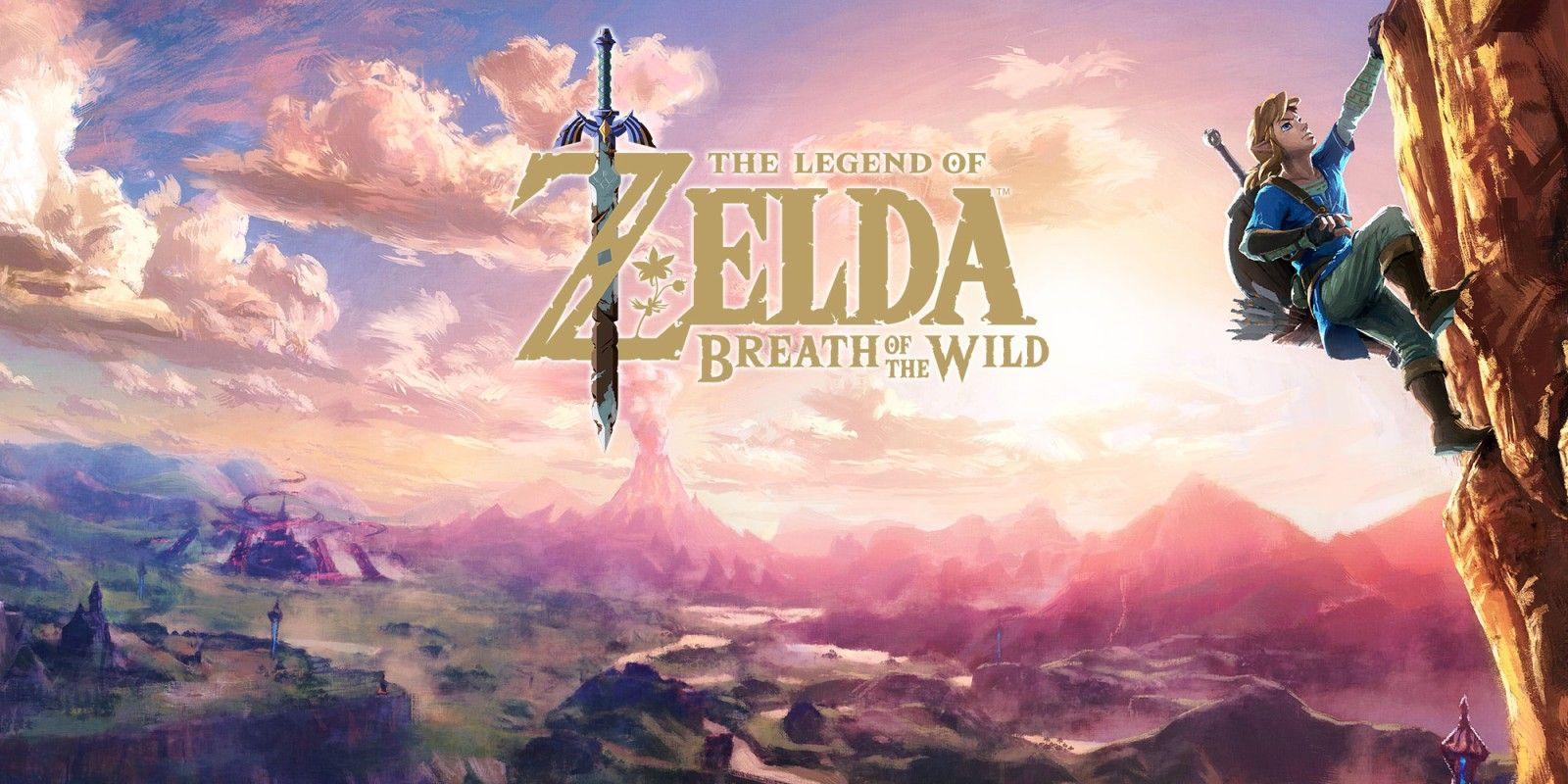
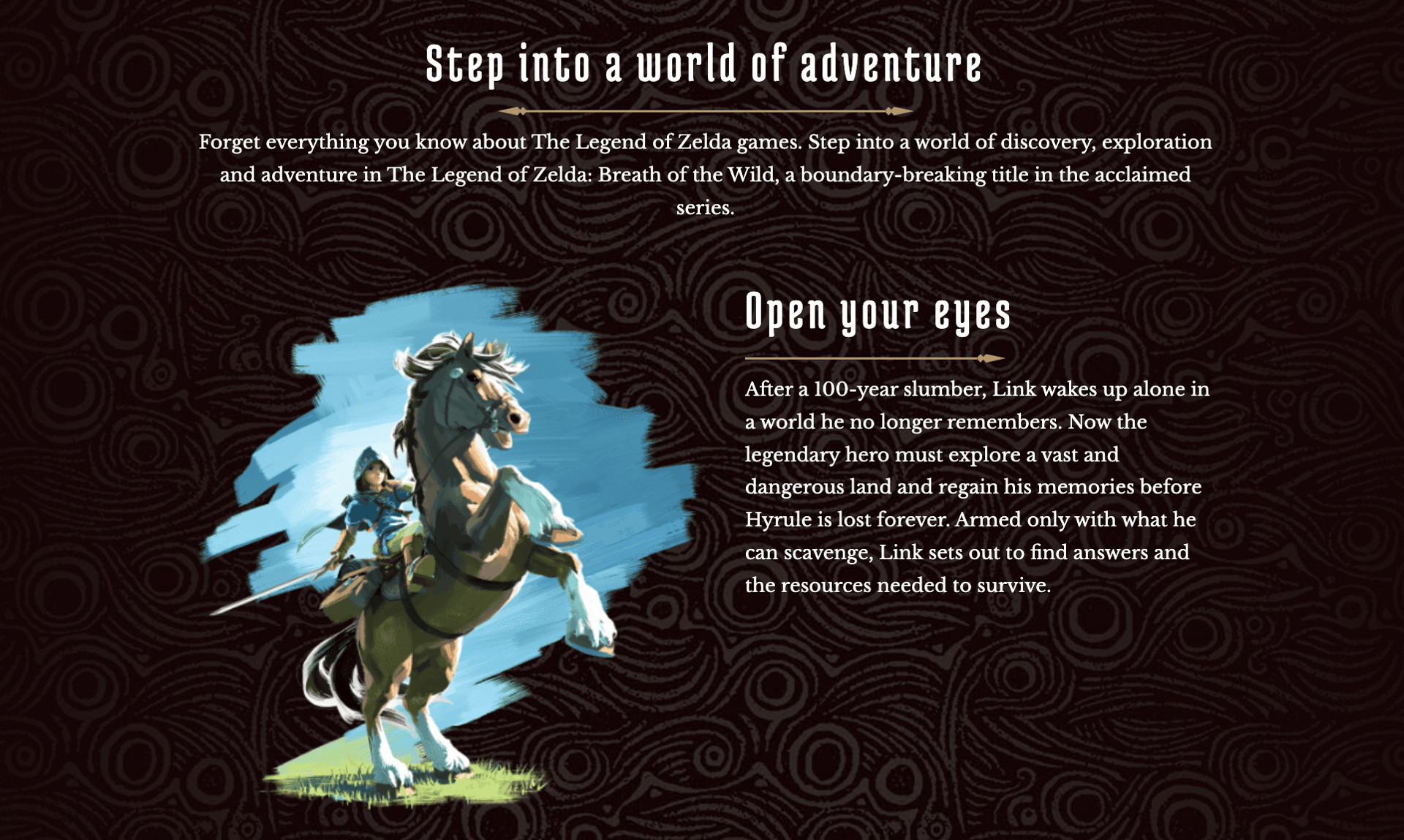
The Legend of Zelda: Breath of the Wild is a 2017 action-adventure game developed and published by Nintendo for the Nintendo Switch and Wii U. Players control an amnesiac Link who must save Princess Zelda and stop Calamity Ganon from annihilating the world. The game sits at the end of the Zelda timeline.

Use code TRYHARD33 at checkout to redeem this offer before code expires again.
Get 33% Off GAMES+ Subscription
The Wii U Version of Breath of the Wild
Breath of the Wild launched on Wii U the same day it hit Switch, but Nintendo barely acknowledged it. The Wii U version received almost no marketing push, overshadowed completely by the new hardware. The core game remains identical across both platforms—same story, same mechanics, same sprawling Hyrule. But the Wii U's aging hardware shows its limits immediately when you start playing.
Performance on Wii U is functional but rough. The resolution drops noticeably, frame rates stutter during combat with groups of Bokoblins, and demanding areas like Kakariko Village struggle to maintain stability. These technical issues don't break the game, but they constantly remind you that you're playing on hardware that wasn't quite up to the task. The Switch version runs cleaner, looks sharper, and delivers smoother gameplay across the board. The gap between the two versions makes the Wii U feel like a compromise rather than the intended experience.
The Legend of Zelda: Breath of the Wild
The Loss of the Wii U's Dual-Screen Functionality
The Wii U's GamePad was supposed to be central to Breath of the Wild. Early demos showed inventory management and map viewing on the touchscreen, using the second display in ways that felt natural for the hardware. None of that made it to the final game. Nintendo scrapped the dual-screen features to keep both versions identical, and director Hidemaro Fujibayashi later explained that forcing players to look away from the main screen felt disruptive. The GamePad ended up doing almost nothing special.
Cutting those features was practical, but it erased what could have been the Wii U's most distinctive version of a major game. Managing Link's inventory on the GamePad or checking the map without pausing would have justified the hardware's design. Instead, the Wii U version plays exactly like the Switch version, just worse. By the time the game launched, the Wii U was already a dead platform, so the lost potential barely registered.
The Legend of Zelda: Breath of the Wild
The Wii U's Influence on the Switch
The Wii U failed commercially, but its ideas directly shaped the Switch. The GamePad's concept—playing on a TV, then switching to a handheld screen—was clunky and half-realized on the Wii U. The Switch refined that concept into something seamless and portable. The core idea was always there; Nintendo just needed better execution and hardware that people actually wanted to buy.
Playing Breath of the Wild on the GamePad in one room, then picking up the Switch in handheld mode in another, shows how the two consoles connect. The Wii U tested the hybrid concept in a limited way. The Switch made it work. The Wii U's failure taught Nintendo what not to do, and the Switch's success proved they learned the right lessons.
A Reflection on Nintendo's Legacy
Breath of the Wild on Wii U is a footnote. The game was supposed to be the system's crowning achievement, but it arrived too late and on the wrong hardware. The Wii U version exists as a reminder of what could have been—a console with genuinely innovative ideas that never found an audience. The Switch version became the definitive way to play, selling over 32 million copies compared to 1.7 million on Wii U.
Playing Breath of the Wild on Wii U today feels like watching a prototype of something better. The console was ahead of its time in concept but behind in execution. Nintendo took everything they learned from the Wii U's mistakes and built the Switch into one of their most successful platforms ever. Breath of the Wild thrived on that success, but its Wii U version remains a quiet testament to a console that tried something new and didn't quite stick the landing.