
"Our company will not implement the materials generated by our AI into game content." That's Capcom, one of gaming's biggest publishers, drawing a clear boundary on generative AI in shipped products.
The statement emerged from Capcom's latest investor Q&A session on March 23, part of a broader financial update covering third-quarter results and a mention that Monster Hunter Wilds sales have been "sluggish." The generative AI question stood out, and Capcom's answer was notable for what it both guaranteed and strategically left ambiguous.
Pay less for your games.
Get discounts up to 80% off
What Capcom Actually Said
The publisher's stance splits into two distinct commitments. First, the guarantee: no AI-generated materials will appear in the actual games. Players won't encounter AI-produced textures, audio, or any other generative-tool outputs in finished Resident Evil, Street Fighter, or Monster Hunter releases.
Second, the qualifier. Capcom confirmed it will "actively utilize this technology to improve efficiency and productivity in the game development process," and is currently "exploring ways to use it in various areas, such as graphics, sound, and programming."
Translation: the storefront stays polished while the warehouse gets automated.
The Reputational Math Behind the Decision
This isn't charity work. Capcom's language reveals an acute understanding that AI-generated content has become a serious PR risk in gaming. Every instance of a studio slipping AI assets into a released product triggers immediate community backlash. The Resident Evil publisher has clearly calculated that player-facing GenAI creates more damage than value.
What gets overlooked is that "not in the game" doesn't equal "not in production." Deploying generative AI to accelerate internal processes, generate reference drafts, or support programmers is fundamentally different from shipping those outputs to customers. Whether that line remains intact in practice is tougher to confirm externally.
The DLSS 5 Wrinkle
There's an uncomfortable footnote. Capcom was among the publishers featured heavily in Nvidia's DLSS 5 announcement, a technology that deploys AI to reconstruct and modify in-game visuals in ways that sparked substantial criticism from developers and players alike. The reaction to DLSS 5's debut was forceful enough that this investor statement might double as quiet recognition that Capcom registered the complaints.
Whether the company's position on GenAI assets applies to AI-powered upscaling and reconstruction technologies like DLSS 5 remains genuinely ambiguous. That's a question worth tracking as more titles ship with the feature active by default.
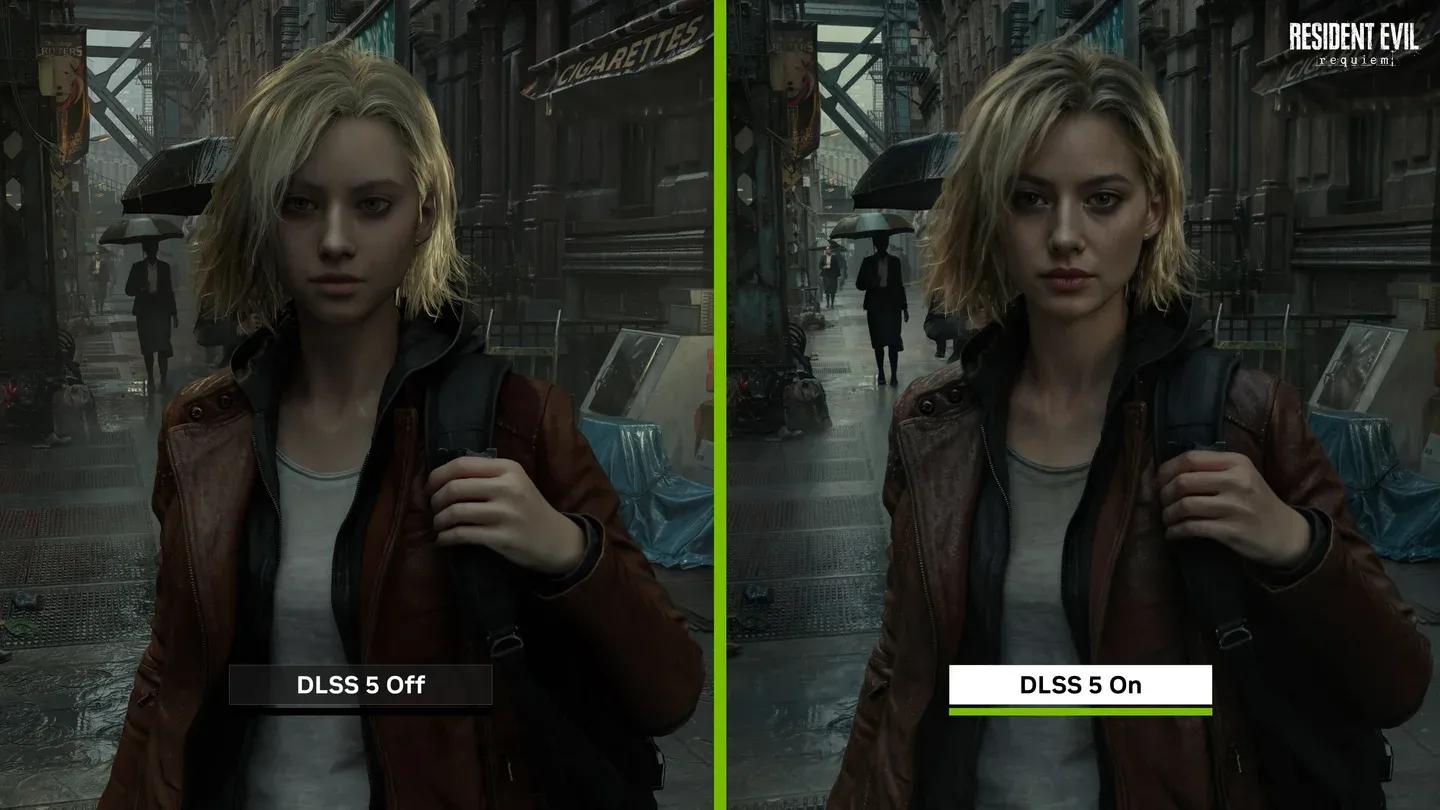
DLSS 5 AI upscaling debate
Where This Fits in the Broader Industry Picture
Capcom isn't breaking new ground with this dual approach, and it won't be the final studio to adopt it. The formula is becoming standard: assure players nothing AI-generated will reach them, while discreetly integrating AI into internal operations to reduce costs and development cycles. It's a compromise position that captures the conflicting pressures studios face from investors (demanding efficiency improvements) and players (demanding human creative work).
The critical factor is verification. Statements delivered in investor Q&As are simple to issue and difficult to verify. Capcom's actual creative output in upcoming releases will determine whether this commitment holds weight. Watch what ships, not just what gets announced. Make sure to check out more: